Under Sink Reverse Osmosis System vs Water Pitcher Filters: Which Is Better?
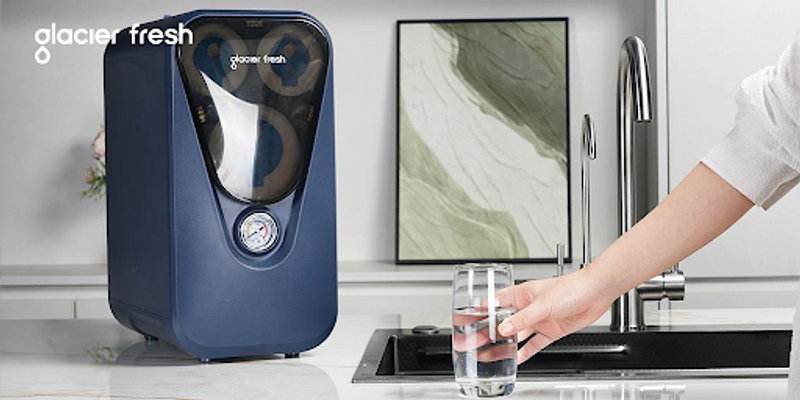
Access to clean and great-tasting drinking water is something every household wants, but not all tap water naturally meets that expectation. Even when water is safe according to municipal standards, it can still contain chlorine, sediments, under sink reverse osmosis system dissolved minerals, and other impurities that affect taste and odor. Because of this, many people turn to home water filtration solutions to improve water quality.
Two of the most common options are water pitcher filters and the under sink reverse osmosis system. Both are widely used, but they are very different in terms of filtration power, convenience, cost, and long-term performance.
A water pitcher filter is a simple and affordable solution that uses basic filtration, usually activated carbon, to improve taste and reduce chlorine. On the other hand, a reverse osmosis system under sink uses advanced multi-stage filtration technology to remove a much wider range of contaminants, including heavy metals, fluoride, nitrates, and dissolved solids.
Choosing between these two systems depends on household needs, budget, water quality concerns, and how much importance you place on purification level versus convenience.
In this article, we will compare under sink reverse osmosis systems and water pitcher filters in detail. We will explore how each system works, their advantages and disadvantages, filtration performance, cost, maintenance, and which option is best for different types of users.
How Water Pitcher Filters Work
Water pitcher filters are one of the simplest and most affordable water filtration options available. These pitchers typically contain a small replaceable filter cartridge that uses activated carbon and ion exchange materials.
When tap water is poured into the top of the pitcher, it slowly passes through the filter cartridge. The activated carbon helps reduce chlorine, odors, and some organic compounds that affect taste.
Some pitcher filters also reduce small amounts of heavy metals such as copper or lead, but their filtration capacity is limited compared to advanced systems.
After filtration, clean water collects in the lower chamber of the pitcher and can be poured out for drinking.
Water pitcher filters are popular because they require no installation, are easy to use, and are widely available at low cost.
However, their filtration speed is slow, and the amount of filtered water they can produce at one time is limited.
How an Under Sink Reverse Osmosis System Works
An under sink reverse osmosis system uses a much more advanced filtration process compared to water pitcher filters.
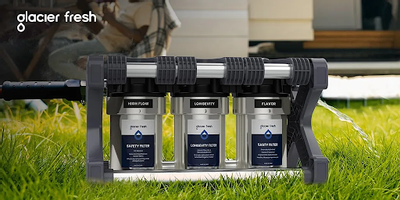
Water first passes through a sediment filter that removes dirt, rust, and larger particles. Then it goes through activated carbon filters that reduce chlorine, chemicals, and bad taste.
The most important stage is the reverse osmosis membrane, which removes microscopic contaminants such as lead, arsenic, fluoride, nitrates, bacteria, and dissolved solids.
After this deep filtration, some systems include additional polishing or remineralization filters that improve taste and restore beneficial minerals.
The purified water is stored in a tank under the sink and delivered through a dedicated faucet whenever needed.
This system provides a continuous supply of high-quality drinking water directly from the kitchen sink.
Filtration Performance Comparison
When comparing filtration performance, the under sink reverse osmosis system is significantly more powerful than water pitcher filters.
Pitcher filters mainly improve taste and reduce chlorine, but they cannot effectively remove many dissolved contaminants or microscopic impurities.
In contrast, reverse osmosis systems provide deep purification, removing a wide range of harmful substances that pitcher filters cannot handle.
This makes reverse osmosis systems especially suitable for households concerned about water safety and long-term health.
While pitcher filters are good for basic improvement, reverse osmosis systems offer advanced purification at a much higher level.
Convenience and Ease of Use
Water pitcher filters are very simple to use. They require no installation and can be placed directly in the refrigerator. However, they need frequent refilling and have limited storage capacity.
In busy households, this can become inconvenient because filtered water may run out quickly.
An under sink reverse osmosis system provides continuous access to purified water through a dedicated faucet. There is no need for refilling or waiting for filtration.
Once installed, it delivers water instantly whenever needed, making it more convenient for daily use, cooking, and beverage preparation.
While pitcher filters are portable and simple, reverse osmosis systems offer far greater convenience for long-term household use.
Installation Requirements
Water pitcher filters require no installation at all. Users simply insert the filter cartridge and start using the pitcher immediately.
This makes them ideal for renters, students, or people who need a temporary solution.
An under sink reverse osmosis system requires installation beneath the kitchen sink. It involves connecting the system to the water supply, installing a separate faucet, and setting up the storage tank.
Although installation is more complex, many modern systems are designed for easy DIY setup with basic tools.
Once installed, the system remains permanently in place and provides long-term benefits.
Maintenance and Filter Replacement
Maintenance is an important factor when comparing these two systems.
Water pitcher filters require frequent filter replacements, usually every few weeks or months depending on usage. The small filter size limits their lifespan.
An under sink reverse osmosis system requires less frequent but more structured maintenance. Sediment and carbon filters usually need replacement every six to twelve months, while the reverse osmosis membrane lasts around two to three years.
Although RO systems have more components, their maintenance is less frequent and more cost-effective over time.
Proper maintenance ensures consistent water quality and system performance.
Cost Comparison
Water pitcher filters are very affordable initially, making them attractive for people on a tight budget. The pitchers themselves are inexpensive, and replacement filters are also low-cost.
However, frequent filter replacements can add up over time, especially in households with high water consumption.
An under sink reverse osmosis system has a higher upfront cost due to installation and equipment. However, it provides long-term savings by reducing the need for bottled water and frequent filter purchases.
Over time, reverse osmosis systems often become more economical for families who consume a lot of drinking water.
Water Quality and Taste Improvement
Both systems improve water taste, but to different degrees.
Water pitcher filters improve taste by reducing chlorine and some odors. This makes water more pleasant but does not fully remove all impurities.
An under sink reverse osmosis system significantly improves water taste by removing dissolved solids, heavy metals, and contaminants that affect flavor.
The result is cleaner, fresher, and more neutral-tasting water.
Many users notice a clear difference in taste after switching from pitcher filters to reverse osmosis systems.
Environmental Impact
Water pitcher filters generate plastic waste through frequent cartridge replacements. However, they still reduce the need for bottled water.
Reverse osmosis systems also help reduce bottled water consumption, but they produce some wastewater during the filtration process.
Despite this, RO systems are generally considered more sustainable in the long term because they reduce plastic bottle usage significantly.
Modern RO systems have also become more water-efficient compared to older models.
Which System Is Better for Different Users?
Water pitcher filters are best suited for individuals who need a simple, low-cost, and portable solution for basic water improvement.
They are ideal for small households, temporary living situations, or people with limited budgets.
An under sink reverse osmosis system is better for families who want high-quality drinking water with advanced purification.
It is ideal for long-term use, especially in homes where water quality concerns are higher or where better taste and safety are priorities.
Many households eventually upgrade from pitcher filters to reverse osmosis systems for better performance and convenience.
Conclusion
Both water pitcher filters and under sink reverse osmosis systems have their own advantages, but they serve different needs.
Water pitcher filters are simple, affordable, and easy to use, reverse osmosis system under sink making them suitable for basic water improvement.
However, an under sink reverse osmosis system provides far superior filtration, better taste, and long-term convenience for households that want higher water quality.
For families looking for a reliable and complete solution, reverse osmosis systems offer better performance, durability, and overall value.
Choosing the right system depends on budget, water quality concerns, and lifestyle needs, but for advanced purification, reverse osmosis remains the stronger option.
,